A hot tub transforms backyard entertaining - it becomes the natural gathering point where conversations happen and memories are made. Winter spa gatherings in New Brunswick have a particular magic that is difficult to replicate any other way. Planning for both the guest experience and the water management after the event makes the difference between effortless entertaining and a week of water problems.
TL;DR
- Large bather loads deplete sanitizer quickly - shock before and after gatherings
- Mid-size and large spas work better for groups than compact models
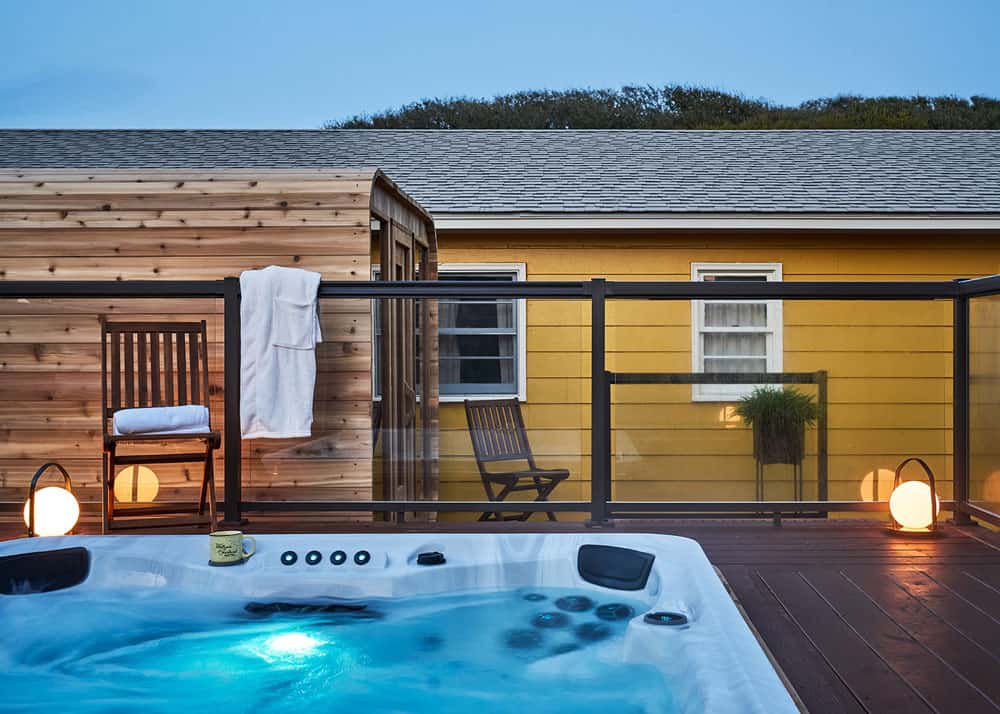
- Good lighting, accessible seating around the spa, and nearby towel storage make guests comfortable
- Keep a cooler or beverage station near the spa - glasses and bottles near the edge create hazards
- Plan your water care recovery before guests arrive, not after
Planning the Guest Experience
The most enjoyable spa gatherings share several characteristics: the host is relaxed rather than managing logistics during the event, the space is set up in advance so everything is immediately at hand, and the guests feel comfortable rather than awkward about the spa protocol.
In advance: confirm the water chemistry is correct, warm the spa to temperature, have towels accessible, set the lighting, and establish where beverages and food will be positioned relative to the spa.
Preparing Water Chemistry Before a Gathering
Shock the spa the evening before or the morning of a gathering. This gives the sanitizer time to return to normal levels before guests arrive, while starting the event with clean, oxidized water that handles the bather load more effectively.
Test pH and alkalinity the day before and correct any imbalances. Chemistry that is borderline before a gathering will be well out of range after it - starting in good condition gives you more margin.
Setting Up the Space for Groups
Good spa entertaining requires space outside the spa as well as in it. Guests rotate in and out over the course of an evening - the flow of people from warm water to outside seating and back works best when there is comfortable, dry seating adjacent to the spa and a clear, non-slip path for movement.
Outdoor seating at a height comfortable for conversation with people in the spa creates continuous social flow. A designated area for bags, clothes, and footwear keeps the deck uncluttered.
Beverage and Food Management
Beverages are a natural part of spa gatherings, but glass near the spa is a significant safety hazard. Broken glass in or near the spa on a bare-foot surface creates serious injury risk. Establish a rule of no glass near the spa and provide appropriate alternatives - vacuum-insulated stainless cups, tumblers, or silicone wine glasses.
A cooler or beverage station positioned a step or two away from the spa - close but not adjacent - is more practical and safer than beverages on the spa edge.
Managing Bather Load
Hot tub water quality is affected by bather load - the more people, the faster sanitizer is consumed and the more organic compounds enter the water. For a gathering of more than your spa nominal capacity, plan for rotating groups rather than everyone in at once.
For larger gatherings, having a clarifier on hand and running the filter on maximum after guests leave prepares the water for your post-event shock treatment.
Water Care Recovery After a Gathering
After guests have gone, shock the spa with a non-chlorine oxidizer and run the jets for 15 to 20 minutes to circulate it. Allow the filter to run continuously overnight. Test chemistry the next morning and correct any imbalances before using the spa again.
This recovery routine takes 20 minutes of active time and prevents the bather-load effects of a gathering from affecting water quality for the rest of the week.
Winter Spa Gatherings
New Brunswick winter spa gatherings have a particular atmosphere that warm-weather events cannot match. The contrast of very cold air and hot water, the steam rising into a dark sky, and the intimacy of a small group gathered around warmth on a winter evening creates experiences guests remember.
For winter gatherings, plan the transition between house and spa carefully. A covered path or minimized outdoor exposure reduces the cold shock. Having robes or large towels immediately available at the spa edge for re-entry to the house is a practical touch that guests appreciate.
Making Guests Comfortable with Spa Etiquette
Not all guests are experienced with hot tub use. A brief orientation covers everything they need to know: where the controls are, what temperature the water is, how to use the steps, and any chemistry-related requests (rinsing off before entering, no lotions or sunscreen).
Framing water care requests positively - the rinse helps keep the water feeling great for everyone - is more effective than rules-based communication. Experienced spa hosts find that a brief, matter-of-fact orientation sets guests at ease and protects water quality.
New Brunswick Perspective
The best spa gatherings at Poolboy customer homes are the ones where the host has thought through logistics in advance and is fully present for the guests rather than managing water problems or equipment questions during the event. The 30 minutes of preparation the day before pays back in a relaxed, enjoyable evening. Make it a ritual: shock the night before, set the space, and let the spa do the rest.
Frequently Asked Questions

Flexible Payments on Any Arctic Spas Hot Tub
Take advantage of the most competitive financing rates through FinanceIt. Apply online in minutes and get a fast decision - no pressure, no commitment.
Visit a Poolboy Showroom in New Brunswick
Our team in Fredericton and Moncton can answer your questions, show you the full Arctic Spas lineup, and help you find the right fit for your home.